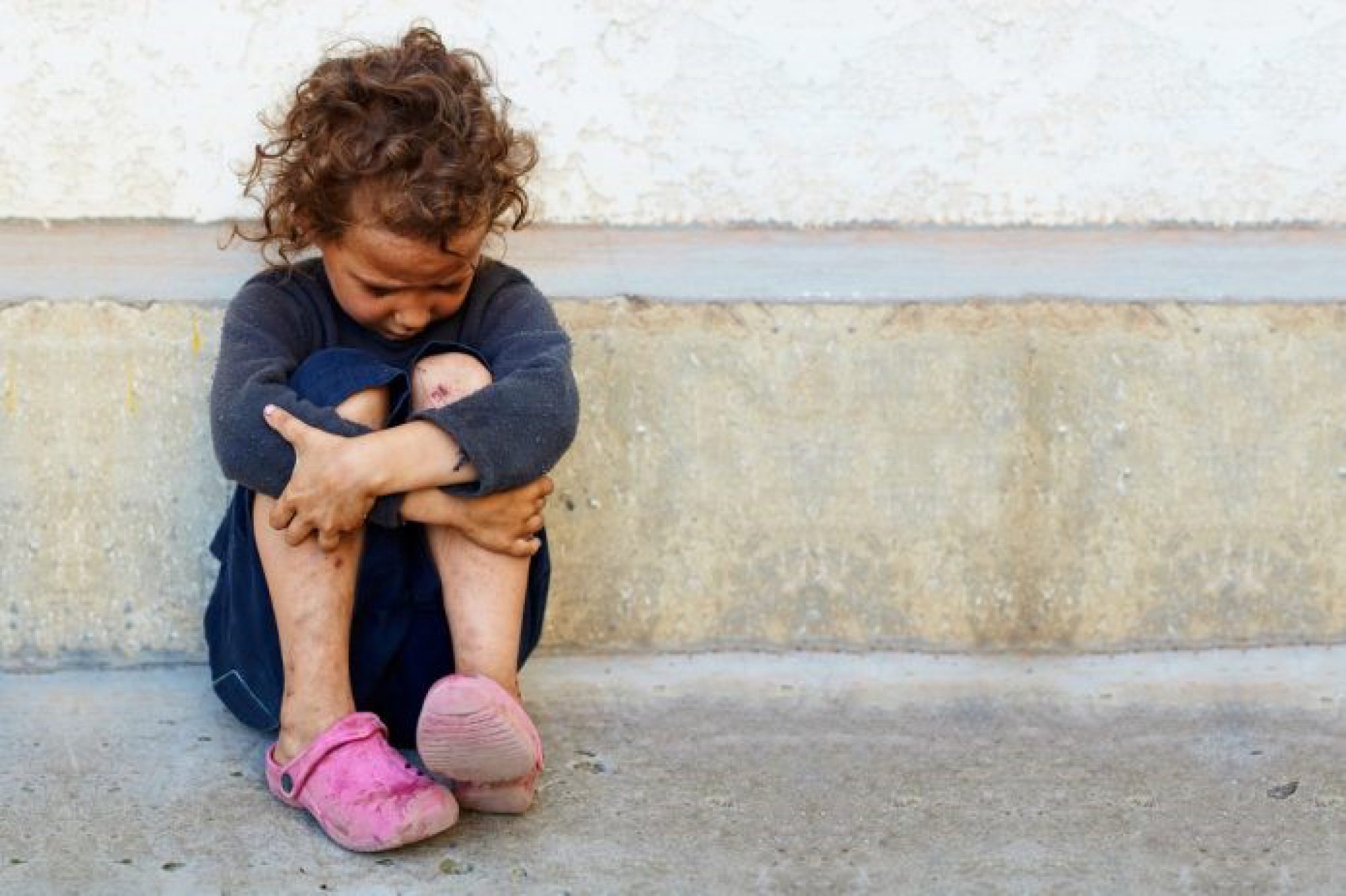
Poverty is linked with negative conditions such as homelessness, inadequate nutrition and food insecurity, inadequate child care, lack of health care, unsafe neighborhoods, and schools with fewer resources which impacts children.
An appalling number of American children live in poverty. According to the National Center for Children in Poverty, 14.7 million, or nearly 20 percent of children under age 18, live below the poverty line. That is, in households with incomes less than $23,550 a year for a family of four. There’s been an increase of poverty in minority groups — 38.2 percent of black children and 32.3 percent of Hispanic children live in poverty.
Children from low-income families face increased risk factors in their educational life. Poverty affects student brain development, relationships with peers and the ability to complete a formal education. Students who live in poverty come to school every day without the proper tools for success. As a result, they are commonly behind their classmates physically, socially, emotionally or cognitively.
Schools can address poverty through teaching social justice, offering equal academic opportunities, and providing school supplies, snacks, clothes, and other basic necessities.
 Poverty Can Make or Break A Child